Global buyers face a difficult equation: secure dependable supply while controlling cost, emissions, and operational risk. The International Energy Agency’s Global Energy Review 2025 reports that worldwide energy demand grew by 2.2% in 2024. Meanwhile, its World Energy Investment 2024 estimated that investment in oil and gas supply would reach about $570 billion that year. Those figures point to a large, active market, but not an uncomplicated one. As energy scholar Vaclav Smil wrote, “Energy is the only universal currency: one of its many forms must be transformed to get anything done.” For buyers, that transformation depends on reliable equipment, skilled service, and sound decisions across the project lifecycle.
Oil And Gas Industry Solutions can help connect those needs. They may include engineering support, procurement, asset maintenance, safety systems, and digital monitoring. Consider a remote pumping station: a delayed replacement valve can disrupt output, while a clear maintenance plan can reduce avoidable downtime. Buyers also need suppliers that document performance claims and explain limits, not just benefits. That matters when comparing technologies across different fields, climates, and operating conditions. A solution that works well on paper may need adjustment on site. No supplier can remove every uncertainty. Global purchasers therefore benefit from evidence-led assessments, transparent technical support, and realistic lifecycle costs. The right approach is not simply to buy equipment. It is to build dependable operations that can adapt as markets and energy requirements change.
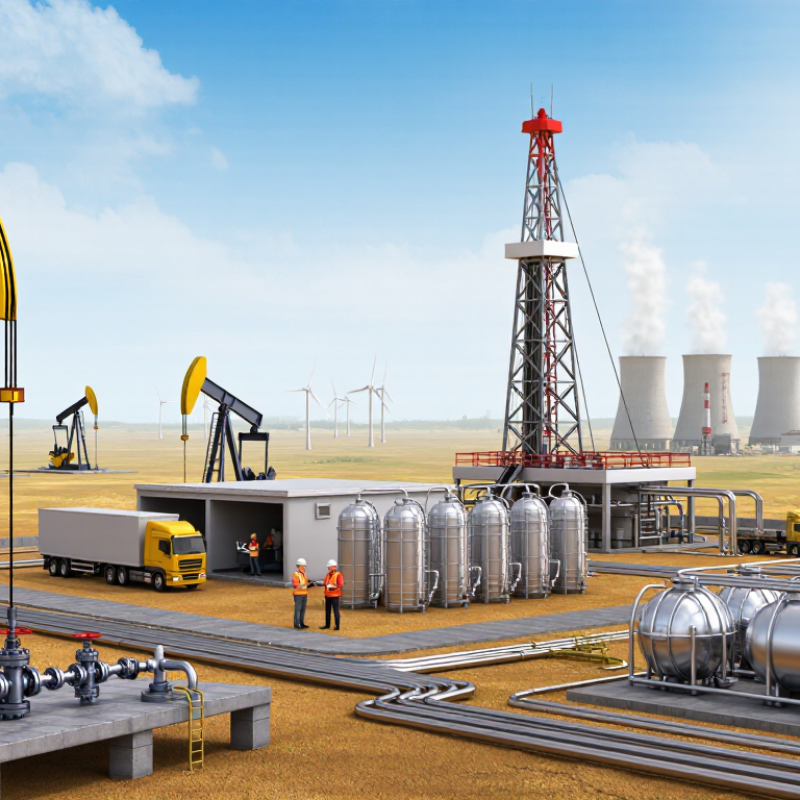
What Oil and Gas Industry Solutions Include
Oil and gas industry solutions cover the equipment, engineering, and services needed across exploration, production, processing, and transport. For global buyers, the scope may include pumps, valves, compressors, storage systems, and pipework. It can also include design reviews, installation support, maintenance planning, and operator training. Details matter.
A useful solution fits the site, not just the specification sheet. Buyers may need equipment suited to high temperatures, corrosive fluids, remote locations, or limited access to spare parts. Digital monitoring can track pressure, vibration, and temperature, helping teams spot unusual conditions before they become costly failures. But data alone is not enough. People need clear procedures and time to act on alerts.
Solutions can also include inspection services, safety systems, emissions monitoring, and replacement-part planning. These elements help buyers assess reliability and operating needs over the asset’s expected life. A quotation should state material grades, performance limits, testing methods, and service responsibilities. No package fits every operation. Buyers should question vague promises and check whether proposed systems can integrate with equipment already on site. Even a carefully planned solution may need adjustment after real operating conditions become clear.
Why Global Buyers Require Specialized Industry Solutions
Oil and gas purchasing rarely starts with a simple product comparison. A valve, pump, or length of pipe must suit operating pressure, temperature, fluid composition, and site conditions. Small mismatches can cause delays, rework, or premature wear. Details matter.
Global buyers also work across different technical specifications, documentation practices, shipping routes, and service expectations. A standard package may not meet every site’s needs. Specialized solutions connect engineering review, material selection, inspection records, packaging, and delivery planning. That coordination is practical, not decorative. Confirming flange dimensions, corrosion exposure, spare-part availability, and document formats early can prevent costly questions during installation. Buyers should request clear technical data, traceability records, defined inspection scope, and realistic lead times. Claims need evidence.
Still, no checklist catches everything. Site conditions change, and specifications can be incomplete or outdated. Teams should leave room for engineering review and raise uncertainties instead of forcing a quick match. That can feel slower. Often, it is safer.
Why Global Buyers Need Specialized Oil and Gas Solutions
Global LNG trade has continued to grow, connecting buyers with suppliers across international markets. Specialized solutions help buyers manage differing fuel specifications, shipping and receiving infrastructure, contract terms, and regulatory requirements.
Source: GIIGNL annual reports. Global LNG trade, million tonnes.
Key Challenges These Solutions Address Across Markets
Global oil and gas projects rarely face the same operating conditions. A pump selected for a coastal terminal may need different materials than one installed in a dusty inland field. Temperature, humidity, power stability, and maintenance access all affect equipment performance.
Buyers also work across uneven supply chains. A replacement valve might be available locally, while a sensor with matching specifications takes weeks to ship. Delays can leave crews waiting and equipment idle. Clear technical documentation helps, but measurement units and terminology still vary between markets. Small mismatches matter.
Industry solutions can connect equipment selection, procurement, logistics, and service planning around a project’s actual conditions. This may include checking material compatibility, confirming spare-parts availability, and mapping delivery risks before orders are placed. Site teams also need practical guidance, not just dense product files. A short maintenance checklist can be more useful than another spreadsheet. It is not a complete answer.
Local requirements and reporting practices add another layer of complexity. Buyers need reliable records, consistent quality checks, and support that understands regional operating realities. Even good forecasts miss things. Port congestion, weather, or a sudden change in site access can disrupt a carefully built schedule. Solutions should make those risks visible and leave room to adjust.
Core Technologies and Services for Oil and Gas Operations
Oil and Gas Industry Solutions: Core Technologies and Services for Oil and Gas Operations
Reliable operations depend on connected equipment, careful inspection, and clear operating data. Sensors track pressure, temperature, flow, and vibration across pipelines and processing units. Control systems help operators respond when readings drift outside approved limits. They do not replace trained judgment. A small calibration error can distort a maintenance decision.
Asset-integrity services help teams assess corrosion, wall thickness, weld quality, and equipment condition. Inspection methods may include ultrasonic testing, visual checks, and vibration analysis, selected for the asset and operating environment. Leak-detection systems can flag unusual pressure changes or flow differences, while maintenance planning helps crews prioritize repairs. Field experience matters: dust, salt air, heat, and awkward access can complicate even a sound inspection plan. No system catches everything.
Tips: Verify sensor calibration against documented procedures, and record the date and conditions. Keep records. Review alarms with operators, not just software reports. Check that spare parts, training, and emergency procedures match the equipment installed. If readings conflict, investigate before making assumptions.
How Buyers Evaluate and Adopt the Right Solutions
Global buyers rarely choose oil and gas solutions on purchase price alone. A pump that fits the existing pipeline, handles abrasive fluid, and has accessible spare parts may reduce downtime more than a cheaper alternative. Buyers compare operating costs, safety records, maintenance needs, emissions data, and supplier support. The details matter. A polished proposal is not proof of reliable field performance.
The International Energy Agency’s World Energy Investment 2024 estimated that investment in oil and gas supply would reach about US$570 billion that year. With capital on this scale, buyers need evidence before adoption. They can check technical documents, verify performance claims against site conditions, and ask for references from comparable operations. A controlled pilot can reveal installation delays or training gaps before a wider rollout. Still, pilots do not predict every failure. That deserves honest attention.
Tips: Set measurable acceptance criteria before procurement. Test equipment under realistic loads, confirm spare-part lead times, and record energy use and maintenance hours. Ask who handles troubleshooting after installation. Keep the scorecard practical; an overly complex one can hide the essentials.
FAQS
Equipment must match pressure, temperature, fluid type, and site conditions. Small mismatches can cause rework or early wear.
Check flange dimensions, corrosion exposure, power stability, and maintenance access. Details matter.
Request clear technical data, traceability records, inspection details, and realistic lead times. Confirm document formats early.
A coastal pump may face humidity and salt exposure. An inland unit may deal with dust and limited maintenance access.
Replacement valves may be available nearby, while matching sensors can take weeks to arrive. Port delays and weather can also disrupt schedules.
Not always. Buyers should compare operating costs, maintenance needs, spare parts, safety records, and supplier support.
A controlled pilot can reveal installation delays, training gaps, and maintenance needs. It cannot predict every failure.
Set practical acceptance criteria. Record energy use, maintenance hours, spare-part lead times, and performance under realistic loads. Keep the scorecard simple.
Conclusion
Oil And Gas Industry Solutions bring together the equipment, engineering, digital tools, and operational services needed to support exploration, production, processing, transportation, and asset maintenance. Global buyers need specialized solutions because operating conditions, infrastructure, workforce capabilities, and market priorities vary widely. A well-matched approach can help organizations improve reliability, manage costs, protect workers and assets, and adapt operations to different environments.
Across markets, these solutions address challenges such as remote operations, equipment downtime, complex supply chains, and the need for accurate performance data. Core offerings may include automation, monitoring systems, predictive maintenance, engineering support, and technical training. Buyers can evaluate options by comparing compatibility with existing assets, service availability, implementation requirements, scalability, and measurable outcomes. Careful assessment helps organizations select practical solutions that fit their operational goals and can be adopted responsibly over time.

