Global energy producers face a demanding technology landscape. Aging assets, remote fields, emissions targets, and volatile prices require practical decisions. Oil And Gas Technology Solutions can improve visibility, safety, uptime, and operational control across the value chain.
This guide examines ten solutions for global buyers, from digital twins and predictive maintenance to advanced seismic imaging and methane detection. It also considers cloud platforms, industrial automation, cybersecurity, artificial intelligence, and carbon-management tools. Each solution should connect with real operating conditions, not merely impressive demonstrations. A compressor vibrating beside a desert pipeline needs a useful alert, not another dashboard. Daniel Yergin, vice chairman of S&P Global, has observed, “The energy transition is not a single transition but a series of transitions.” His point matters because buyers must balance present production with longer-term resilience.
Evidence should guide procurement. Buyers need verified performance data, transparent integration requirements, lifecycle costs, training plans, and dependable technical support. Independent testing can reveal weaknesses before a full deployment. Some vendor claims still need testing. No platform solves every field. A solution that succeeds offshore may struggle in a small inland operation with limited connectivity. This overview therefore avoids treating innovation as a shortcut. It focuses on measurable outcomes, including fewer unplanned shutdowns, safer inspections, lower energy use, better reservoir understanding, and stronger compliance reporting. The best choice may be less fashionable. It may simply work reliably, protect workers, and provide auditable results across different markets.
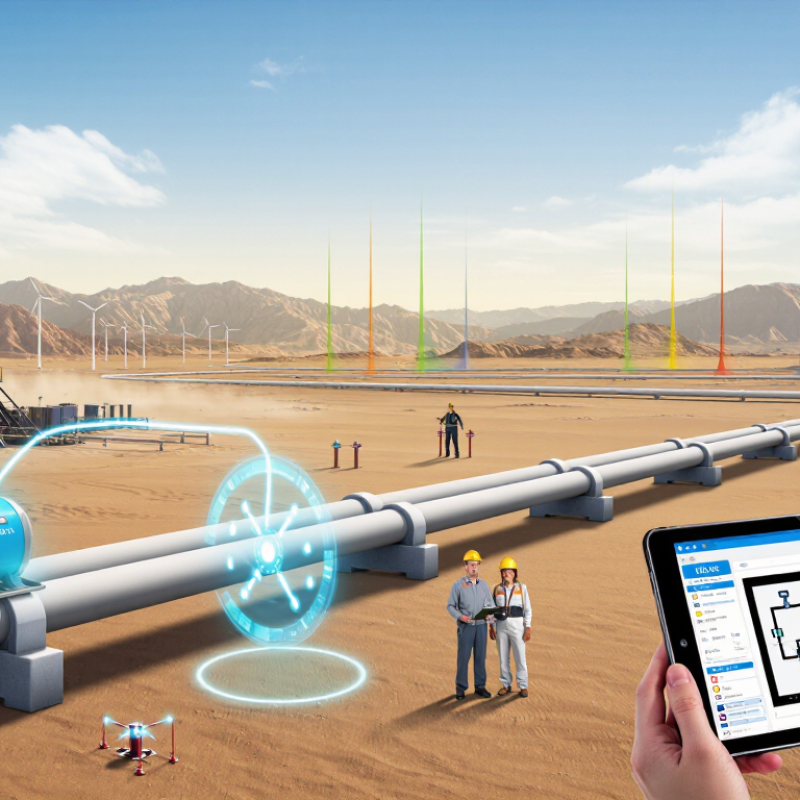
Global buyers should evaluate oil and gas technology against operating realities, not impressive demonstrations. Safety remains the first filter, including equipment reliability, emergency controls, and performance in heat, dust, humidity, or offshore conditions. Regulatory alignment matters too. Buyers should request documented certifications, inspection records, and clear evidence of testing.
Data quality deserves equal attention. A monitoring platform may display attractive dashboards, yet inaccurate sensors can mislead field teams. Check measurement accuracy, calibration routines, data ownership, and audit trails. Cybersecurity should cover access controls, encryption, incident response, and secure software updates. Integration is also critical. New technology should connect with existing control systems without forcing expensive replacements.
Total cost goes beyond the purchase price. Include installation, training, maintenance, energy use, upgrades, and eventual disposal. A pilot project can reveal hidden delays, weak connectivity, or confusing operator interfaces. Measure results with practical indicators, such as reduced downtime, faster fault detection, lower emissions, or fewer manual inspections. Keep the test conditions realistic.
Supplier expertise requires careful verification. Review technical staff qualifications, project references, service coverage, and independent performance evidence. Claims should be traceable. No evaluation is perfect. Early assumptions can be wrong, especially when data comes from ideal sites. Buyers should record uncertainties, invite field engineers to challenge the scoring, and revisit the decision after real operating experience.
The chart presents a normalized 0–100 evaluation index based on widely used global procurement priorities in the oil and gas sector. Higher scores indicate stronger strategic importance for technology selection, including operational efficiency, safety, cybersecurity, emissions management, interoperability, and scalability.
Exploration and reservoir intelligence solutions are reshaping how global buyers evaluate subsurface opportunities. The International Energy Agency’s Oil 2024 report projects global oil demand will reach about 104 million barrels per day by 2030. This outlook increases pressure to find resources more accurately and manage mature fields efficiently. Modern platforms combine seismic interpretation, well-log analysis, satellite data, and production history. They can reveal structural traps, pressure changes, and possible bypassed reserves before expensive drilling begins.
Reservoir intelligence becomes more valuable when uncertainty is visible. Digital twins can test injection rates, pressure support, and decline scenarios using live field data. Fiber-optic monitoring may detect fluid movement along a wellbore with greater detail than occasional surveys. The Society of Petroleum Engineers reports that uncertainty analysis and history matching remain central to reliable reservoir forecasting. Yet no model is completely honest. Poor data quality, uneven well coverage, and biased assumptions can still produce attractive but fragile predictions. That limitation deserves attention.
Tips: Ask for data lineage, not only colorful dashboards. Check whether seismic results were calibrated against confirmed wells. Require sensitivity cases for price, pressure, recovery, and water breakthrough. Compare forecasts with the Energy Institute Statistical Review 2024, which recorded global oil production near 96 million barrels per day in 2023. Independent technical review is useful. Sometimes the slower interpretation is the safer purchase.
Reliable drilling begins with precise subsurface information. Measurement-while-drilling tools track trajectory, pressure, and formation changes during operations. Automated drilling controls can reduce unnecessary vibration and improve bit performance. However, no model is perfect. Unexpected fractures can still alter the plan. Buyers should request verified field data, maintenance records, and clear training requirements before approving a system.
Well completion technologies must protect the reservoir while supporting stable flow. Intelligent completion systems can monitor pressure and temperature across selected zones. Sand-control equipment helps reduce formation damage and costly surface interruptions. Remote valve control adds flexibility, especially in complex wells. Production optimization then connects these measurements with artificial lift, flow assurance, and predictive maintenance. Small data gaps matter. A sensor that drifts for weeks may distort every later decision.
Tips: Compare technologies against well depth, fluid conditions, and local regulations. Ask for independent test results, cybersecurity controls, and spare-part availability. Use pilot projects before large deployment. Review failure scenarios with drilling, completion, and production teams. The cheapest option may create higher intervention costs later. Measure success through uptime, recovery efficiency, worker safety, and total operating cost.
Pipeline, processing, and asset integrity systems now shape safer, lower-loss operations. The International Energy Agency’s Global Methane Tracker 2024 estimates that fossil fuel operations released about 120 million tonnes of methane in 2023. Continuous leak detection therefore matters. Acoustic sensors, fiber-optic monitoring, and drone inspections can identify pressure changes, valve faults, and escaping gas before failures spread. Yet sensors need careful calibration. A dashboard alone cannot protect a pipeline.
Processing technology must also improve product quality and energy performance. Modern separation, dehydration, and compression systems help operators manage changing feedstock conditions. The World Bank’s Global Gas Flaring Tracker Report 2024 recorded approximately 148 billion cubic metres of gas flared in 2023. Better flare monitoring, vapor recovery, and compressor controls can reduce avoidable losses. Small efficiency gains matter.
Asset integrity systems connect inspection data with maintenance decisions. Risk-based inspection, corrosion monitoring, pipeline coating assessment, and digital records help teams prioritize aging equipment. ISO 55001 and API 1160 provide useful frameworks for structured asset management and pipeline integrity programs. However, models can inherit poor field data. That weakness is easy to overlook. Global buyers should test systems against real operating conditions, including dust, humidity, vibration, and limited connectivity. Human review remains essential when a model recommends delaying repairs.
Digital transformation in oil and gas now reaches the control room, pipeline, and maintenance site. Sensors can track pressure, vibration, methane, and energy use in near real time. A practical system connects these signals with maintenance schedules and production data. This reduces blind spots, but poor data still creates poor decisions. Older equipment may need gateways, manual checks, or gradual replacement.
Emissions control requires measurable action, not attractive dashboards. Continuous methane monitors can identify leaks near valves, tanks, and compressor stations. Vapor recovery systems can capture hydrocarbons that would otherwise escape during storage. Electrified pumps may lower fuel consumption where reliable power exists. However, buyers should request independent measurement methods, calibration records, and clear reporting boundaries. Estimates alone can mislead investors and regulators.
Global buyers should compare total lifecycle cost, cybersecurity controls, system compatibility, and local technical support. A low purchase price may hide expensive training, spare parts, or integration work. Ask whether the supplier provides documented performance data from similar operating conditions. Check response times for remote and onsite service. Worker usability also matters; a complex interface may be ignored during a night shift. Procurement teams should test a small deployment before expanding. That step can reveal unexpected network limits, sensor failures, or staff resistance. No solution is perfect. Careful buyers leave room for correction.
They can identify pressure changes, valve faults, and escaping methane early. Early warnings may prevent wider damage. Sensors still need calibration.
Acoustic sensors, fiber-optic systems, and drone inspections can track different risks. They may detect vibration, pressure changes, or visible defects.
Separation, dehydration, and compression systems manage changing feedstock conditions. Better controls can improve product quality and reduce energy waste.
Flare monitoring, vapor recovery, and compressor controls can limit unnecessary losses. Small gains accumulate. The results need measurement.
It connects inspection findings with maintenance decisions. Corrosion records, coating checks, and digital histories help teams prioritize aging equipment.
Dust, humidity, vibration, and weak connectivity can expose hidden problems. A clean demonstration site may not reflect field conditions.
Request calibration records, independent measurement methods, and clear reporting boundaries. Attractive dashboards are not enough. Estimates can mislead.
Compare lifecycle costs, cybersecurity controls, compatibility, training, spare parts, and technical support. Test a small deployment first. Leave room for correction.
Staff may ignore a complicated interface during a night shift. Clear screens and practical alerts support faster action. Human review remains necessary.
No. Poor field data can produce poor recommendations. A model might suggest delaying repairs, but experienced staff should challenge that result.
This article presents a practical guide to Oil And Gas Technology Solutions for global buyers seeking safer, more efficient, and more sustainable operations. It explains the key evaluation criteria, including technical performance, reliability, scalability, cybersecurity, regulatory alignment, total cost of ownership, and ease of integration. The discussion then examines exploration and reservoir intelligence tools that improve geological interpretation, resource evaluation, production forecasting, and decision-making under uncertainty.
The article also reviews technologies for drilling, well completion, and production optimization, highlighting automation, real-time monitoring, predictive maintenance, and improved asset performance. Pipeline, processing, and asset integrity systems are covered through their roles in leak detection, inspection, corrosion management, process control, and operational safety. Finally, it addresses digital transformation and emissions control, including data platforms, connected equipment, energy efficiency, and environmental reporting. Global buyers can use these factors to compare solutions objectively, manage operational risks, support responsible resource development, and select technologies that deliver measurable long-term value.
